BEYOND THE BIG FOUR – STAPLE CROPS AROUND THE WORLD

By: CropLife International

A staple food is one that is eaten regularly and in such amounts that it is a main part of a population’s diet, supplying a significant amount of energy and nutrition. These crops are in such high demand that they need to be high-yielding and resistant to pests, diseases and environmental stresses.

There are more than 50,000 edible plant species on the planet, but only a few hundred contribute meaningfully to our diet. In fact, just 15 crops provide 90 percent of global energy intake and “the big four” – maize, rice, wheat and potatoes – are staples for about 5 billion people. Such reliable, widespread crops are the basis of food systems and human subsistence. Plant science technologies, such as crop protection products and biotech seeds, have helped keep these staples stable, even in the face of climate change.

The most productive staple crop in the world is maize, which yielded 1.1 billion tons in 2019 alone, followed by wheat, rice and potatoes at 765, 755 and 370 million tons, respectively.  But what about staple crops beyond these heavy hitters? Here is a look at the unsung heroes of agriculture. In different parts of the world, they help feed rural communities and entire countries, with more nutrients than the big four.

Soybeans have been grown as a crop for thousands of years. As legume plants, they fixate nitrogen, absorbing this essential nutrient from soil bacteria, which is a talent most crops lack. This means fertilizer is usually not needed when growing soybeans. Moreover, plant science technologies have led to higher and higher soybean yields. No wonder they are one of the world’s fastest expanding crops!

While low-carb soybeans are highly prized for their oil, they are considered a staple food because of their protein. They are among the best sources of plant-based protein in the world, plus contain vitamins and minerals. They are processed into milk, tofu, tempeh and other high-protein products. Japan and China are major consumers of these foods.

Global soybean production is concentrated in Brazil and the United States on sizeable farms, but the crop is also grown in many other countries by smallholder farmers.
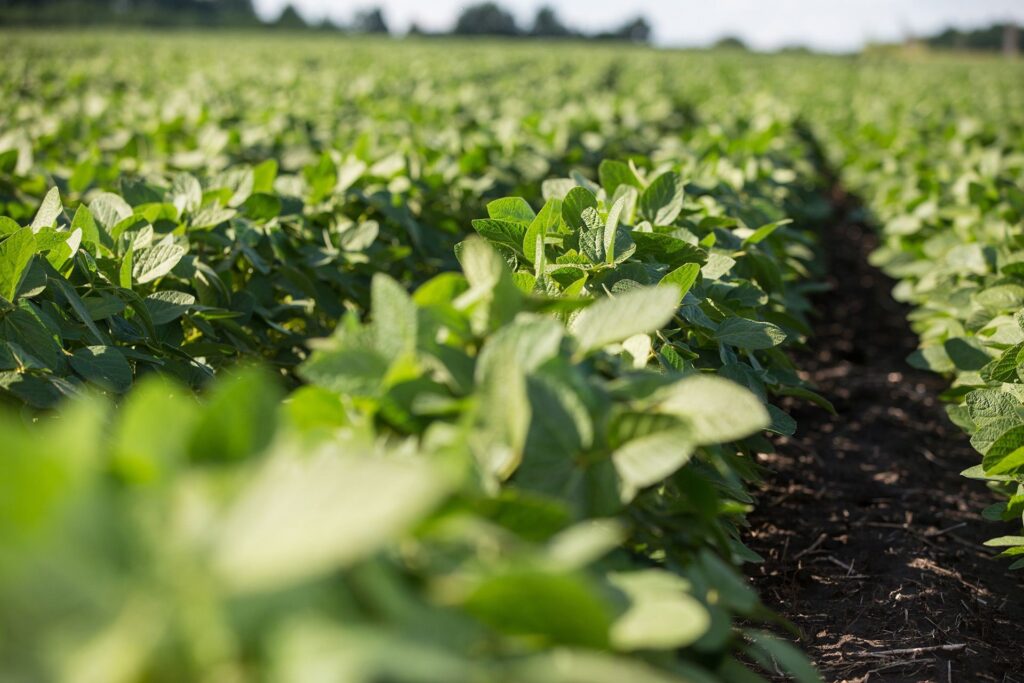
In both developed and developing countries, the adoption of biotech soybean varieties has more than doubled yields since the 1960s. That’s why these varieties account for up to 81 percent of global production. Herbicide-resistant biotech soybeans also reduce greenhouse gas emissions by as much as 80 percent as they allow for no-till farming, which keeps carbon in the soil.

Cassava is a staple for more than 600 million people across Africa, Asia and Latin America. It is an excellent source of vitamin C and a good source of fiber and potassium. The Food and Agriculture Organization of the United Nations identified it as a vital crop in the fight against hunger and formed a partnership to bolster its genetic improvement.

Cassava is grown by many farmers in developing countries due to its ability to thrive in poor soils as it requires less water and fertilizer than alternatives and can be harvested anytime from eight to 24 months after planting, meaning it can be left in the ground as a living food store. The only caveat is that long periods in the soil makes cassava more susceptible to pests and diseases.
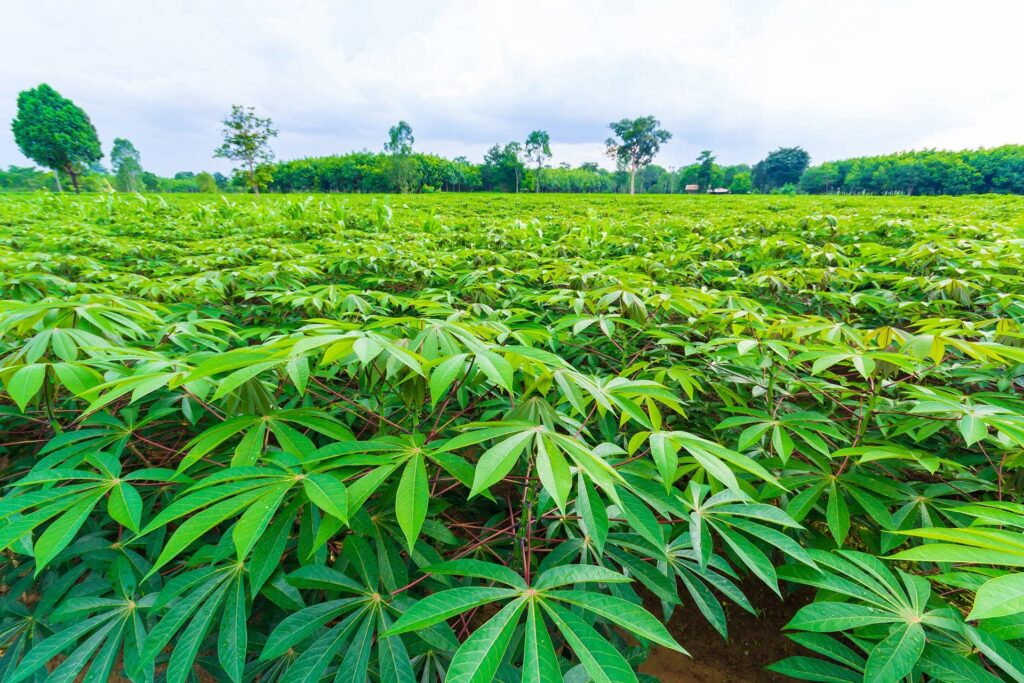
Cassava farmers have typically struggled with these challenges as the crop is notoriously resistant to traditional plant breeding techniques due to unreliable flowering patterns.

However, gene-edited cassava flowers more reliably, giving researchers great hope for the future of this crop. Biotech varieties could help control pests and diseases as well as enhance yields and nutrition. This crop has untapped potential; experts estimate that introducing such varieties could increase cassava production in Africa by 150 percent.

Sweet potatoes are vital in the diets of people in parts of Africa and Asia, where they are a major source of subsistence. They are a rich source of vitamin A and good source of fiber.
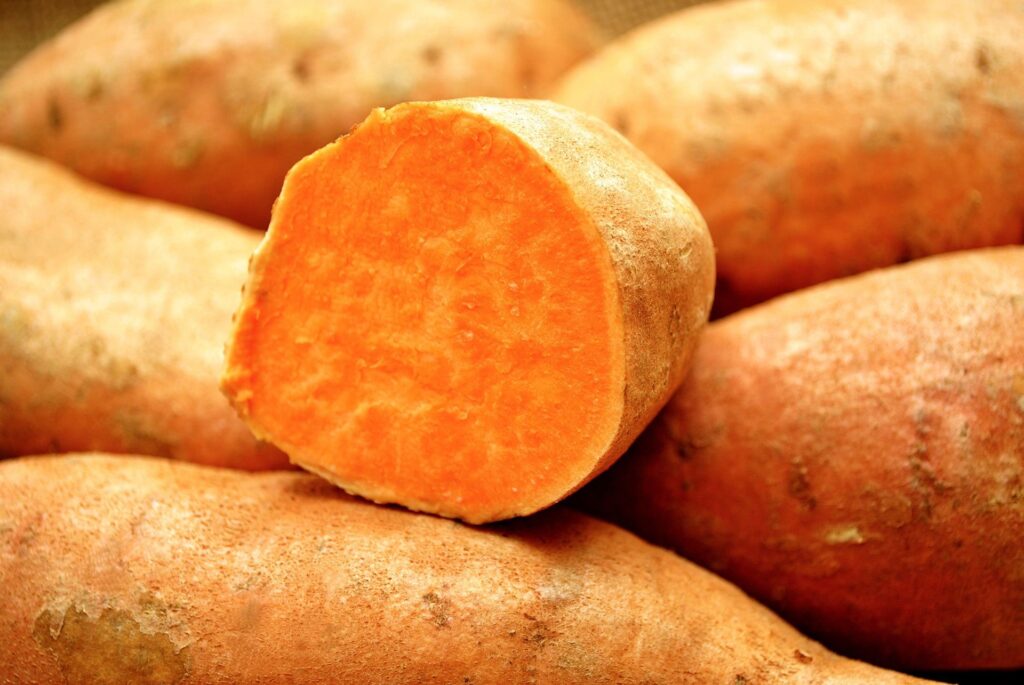
Drought-tolerant sweet potatoes grow incredibly well on marginal land and do not require a large degree of care. Farmers are sweet on these qualities so these potatoes have expanded faster than all other staple crops in sub-Saharan Africa in the last 20 years. They have also attracted the attention of researchers who would like to use sweet potatoes to improve the health of children.

In rural sub-Saharan Africa, around 48 percent of children have vitamin A deficiency. This can degrade immune systems, increasing the risk of diarrhea and even causing blindness. In 2009, this dire situation led to the formation of the Sweet Potato for Profit and Health Initiative, which developed varieties with greater virus resistance, drought tolerance and lower sugar levels. It led to commercial production of orange-fleshed sweet potato biofortified with beta carotene. This variety significantly raises vitamin A levels in children, further cementing the sweet potato’s status as a vital staple.

Known as an “orphan crop” due to not being widely traded, yams are a staple food for more than 100 million people in the tropics, particularly western and central Africa. They are “yam-packed” with vitamin C, potassium and fiber. 

Contrary to popular belief, yams are distinct from sweet potatoes; they are less sweet, more starchy, larger and cylindrical with bark-like skin that’s difficult to peel and flesh that’s purple or pink when mature. Yams can grow up to 1.5 meters and 60 kilograms! 

Indigenous to Africa and Asia, yams are now also commonly grown in the Caribbean and Latin America. There are more than 600 varieties! 
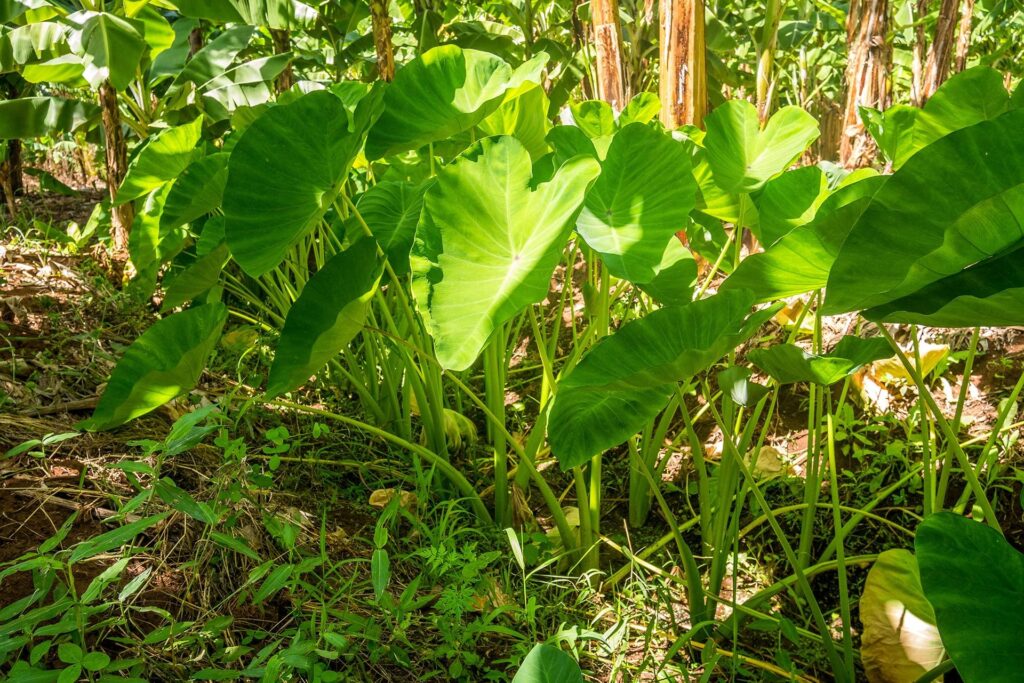
Farmers favor them as they can be stored for four to six months without refrigeration, giving people a vital safety net between growing seasons.  

The yam’s orphan status has led to a recent research push into biotech improvements. The genetics of yams are the least understood among major staple food crops, partly due to biological restraints. The domestication of wild yam species is ongoing in Africa, further widening the genetic base. As such, this crop has more potential for biotech innovation than any other major staple and efforts to improve the yam’s disease resistance and yield are underway.  

High in protein and potassium, sorghum has been a staple crop in semi-arid areas of Asia and Africa for hundreds of years and millions of people rely upon it. This crop is well-liked by subsistence farmers due to its ability to thrive in harsh environments where other crops grow poorly or fail. It is the only viable grain and plant protein for many of the world’s most food-insecure people.  
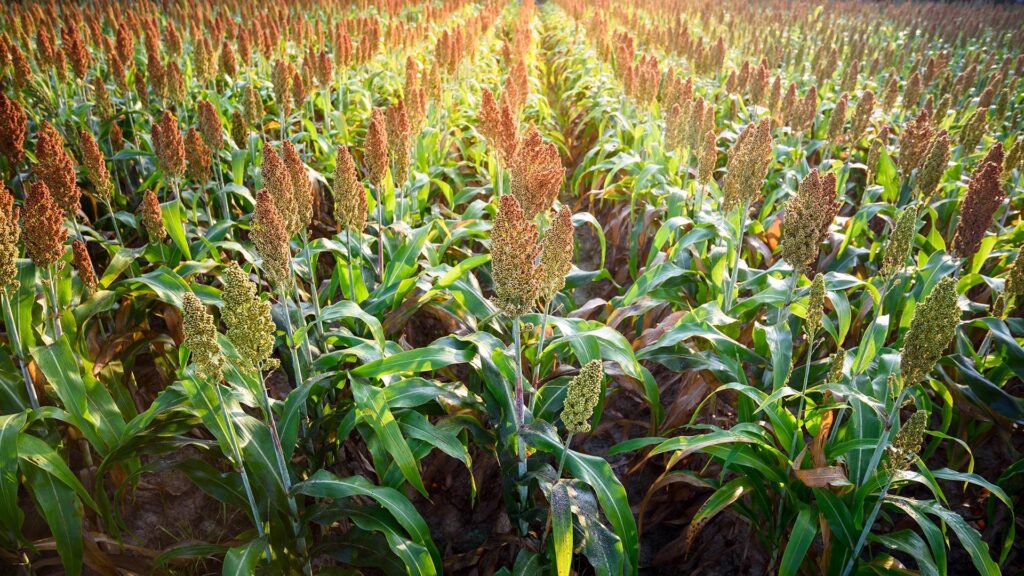
Most varieties are heat- and drought-tolerant, while higher-yielding dwarf varieties have seen increasing commercial production in countries like the United States.

Combining these varieties with modern crop protection and smart water management can see yields increase by as much as eight times.  

Sorghum’s natural qualities make it ideally suited for drought-susceptible regions, with climate change expected to further enhance its status as one of the most important cereal crops on the planet. This led to it being selected for biofortification, as natural varieties contain a compound that reduces the body’s ability to use iron and zinc, which can cause anemia. These new varieties tackled this challenge while also gaining beta-carotene, which the body converts into vitamin A. This is a great example of plant science improving nutrition for some of the world’s most vulnerable people.  

With populations and food systems across the world facing the impacts of climate change, combined with the ever-increasing need for farmers to produce more with less, safeguarding staple crops is more important than ever. While “the big four” of maize, rice, wheat and potatoes are caloric powerhouses, other staple crops offer more nutritionally like soybeans, cassava, sweet potatoes, yams and sorghum.

With populations and food systems across the world facing the impacts of climate change, combined with the ever-increasing need for farmers to produce more with less, safeguarding staple crops is more important than ever. While “the big four” of maize, rice, wheat and potatoes are caloric powerhouses, other staple crops offer more nutritionally like soybeans, cassava, sweet potatoes, yams and sorghum.
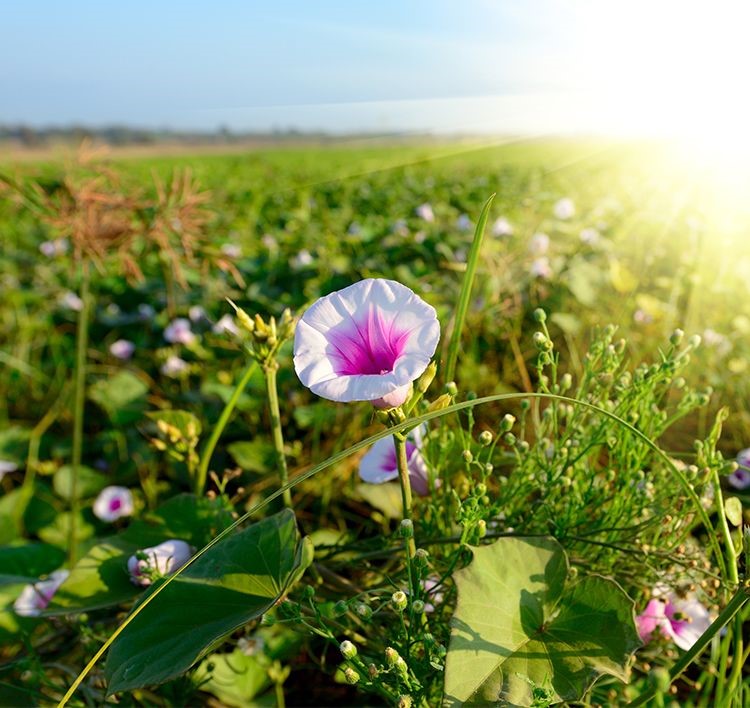
CASSAVA: HOW PLANT SCIENCE IS HELPING IMPROVE THIS STAPLE CROP

Today, PLANT SCIENCE INNOVATIONS are making staple crops more profitable, more nutritious and better protected against unpredictable weather. Cassava is no exception. Both farmers and consumers throughout the world can reap the benefits of varieties that are healthier, heartier and more abundant.

Cassava provides sustenance for over 800 million people. A perennial woody shrub native to Latin America, cassava is primarily grown as an annual crop in the humid tropics. Studies indicate it is the only staple crop that stands to benefit from climate change. As more land is rendered unusable due to changing temperature and rainfall patterns, cassava will likely gain ground as a staple around the globe.

We spoke with Chiedozie Egesi of NextGen Cassava Breeding Project, who is at the forefront of new innovations to enhance this already resilient and hearty staple crop. Read our interview with him to learn how and why cassava is a major staple crop of the developing world and what its future holds. (This interview has been formatted for brevity and clarity.)

Chiedozie Egesi – Project Leader at NextGen Cassava Breeding Project
Chiedozie Egesi, leader of the NextGen Cassava Breeding Project, tells us how he and his team are developing better cassava plants to resist challenging growing conditions, be more productive and deliver more nutrition.

Tell me about your role at NextGen Cassava. What type of research do you lead?

Our main objective is to empower African cassava farmers through innovative, sustainable cassava breeding. We have begun the process of modernizing cassava breeding institutions in Africa and use cutting-edge tools for efficient delivery of improved varieties of cassava.

My role includes project coordination, charting the course we take and ensuring that our partners are supported to deliver on the project mandate. We specialize in cassava breeding implementation—cutting-edge research technologies that make for more efficient processes and demand-led breeding.

Why is cassava a staple crop in South America, Africa, and other developing countries?

Cassava is a major calorie source for over 800 million people. It has high productivity in marginal environments, making it an invaluable asset for food security—it survives where other crops fail. It also has naturally high resilience to climatic changes. Finally, it is produced mainly by smallholders [farmers with less than 2 hectares of land] – mostly women – with simple technologies, allowing it to be easily grown across multiple countries and environments.

What challenges have cassava farmers faced in recent years?

Cassava producers face several main challenges these days. First, many pests and diseases have constrained production for cassava growers. Part of this is actually because of cassava’s long growth cycle—its long duration in the field increases its exposure to pests and viruses. Also, cassava is perishable, which leads to limited flexibility in handling. Lastly, poorly linked value chains in Africa cause frequent boom-and-bust cycles of high and low productivity. The markets have not been well developed to make for sustainable agribusiness.

How have plant science innovations helped cassava farmers?

A recent example is the timely delivery of new, “best-bet” varieties to cassava farmers. Genomic selection is an integral technology that has enabled us to get these more resilient, more productive and more nutritious varieties. We have employed innovative “citizen science” approaches to enable participatory selection of improved varieties. In addition, new technologies have helped us rapidly screen large breeding populations. Others include techniques to improve flowering in cassava, an essential step for hybridization through pollination. Application of a combination of hormones has enabled us to make cross combinations that were not very easily done due to the poor flowering of some cassava varieties.

Which plant science innovations does NextGen Cassava utilize in its work with smallholder farmers?

We predicted the performance of new varieties based on the genetic information of their parents using modeling systems. This allowed us to reduce the generational cycle time for cassava from about 10 years to five. Better varieties can now get to farmers faster, and we are still working on further improving this. We are designing research that maps preferences and links to social differences such as gender, age, education, region, poverty and food security levels.

How will climate change continue to impact cassava and smallholder farmers?

Cassava is one of the most climate-smart crops in the tropics and has the capacity to withstand changes in the atmosphere, which it can use to its advantage for more productivity. As climate change continues to be a challenge for smallholder growers in Africa, cassava farmers stand a better chance to make more profitable agribusiness due to the robustness of the crop. 

How will supporting plant science innovations help communities that depend on cassava?

Support for plant science innovations is needed to help communities that depend on cassava in Africa. New technologies will transform cassava production and deliver the best varieties for maximum impact on growers and their families.

For more information about cassava and its role as a staple crop in different countries around the world, please check out these resources:

Kenya Approves Disease-Resistant Biotech Cassava

In June 2021, the Kenya National Biosafety Authority approved the environmental release of genetically modified cassava, which is resistant to cassava brown streak disease. The disease-resistant cassava was developed under the Virus Resistant Cassava for Africa Plus project, a collaborative program between Kenya Agricultural and Livestock Research Organization, National Crops Resources Research Institute of Uganda and Donald Danforth Plant Science Center. Learn more about this breakthrough from the Cornell Alliance for Science and ISAAA.

Repairing the Root of the Problem

Despite the ability to turn cassava into an endless number of palatable dishes, the tuber has two major issues affecting the people who rely on it the most. First, cassava faces the threat of brown streak disease, limiting available food and second, the crop has a natural toxin that can cause severe physical and mental damage in the populations who need it most. For the millions it feeds, this important crop must be usable. That’s where plant biotechnology and gene editing come in. This video from the American Seed Trade Association and University of California at Berkeley shows the research being done to improve this staple crop for the millions who depend on it.

Save and Grow Cassava: A Guide to Sustainable Production Intensification
The Food and Agriculture Organization (FAO) of the United Nations has published a booklet about the production of cassava. It notes that cassava was first cultivated 9,000 years ago on the southern edge of the Brazilian Amazon, where it is still grown. Today, around 300 million tons of cassava are produced globally, with Nigeria as the world’s largest producer. Around 90 percent of harvested roots are destined for human consumption, while about 10 percent are semi-processed on-farm as animal feed. Read the entire 100-page PDF on the FAO website.

African Scientists Improve Cassava to Help Feed the World
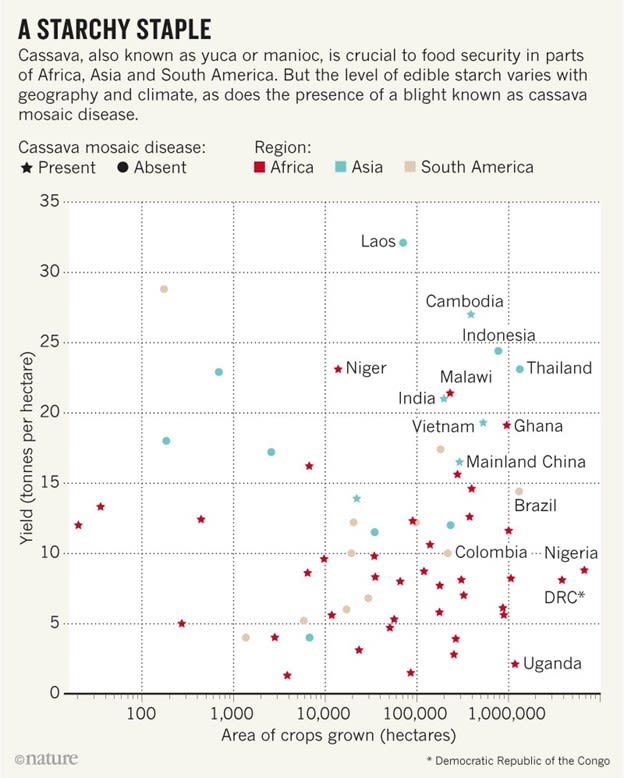
2019 article in the journal Nature explains how researchers at the International Institute of Tropical Agriculture in Nigeria are using both traditional breeding and genetic modification to improve the starchy staple crop. In Africa, where consumption is highest, cassava plants bear smaller yields than their cousins in Asia and South America. But African varieties tend to be more tolerant of blights, such as the deadly cassava mosaic disease now spreading across Asia.

Source: United Nations Food and Agriculture Organization

Breeding Better Crops, From Maize to Cassava
In this video from the Gates Foundation, United States Department of Agriculture (USDA) Agriculture Research Service (ARS) and Cornell University, plant geneticist Ed Buckler explains that cassava has not been bred as effectively as other crops – such as maize – and there is tremendous potential including disease and insect resistance, by taking new, modern breeding tools and applying them to cassava.

Developing GM Super Cassava For Improved Health and Food Security: Future Challenges in Africa
The potential for GM cassava also includes biofortification. According to a study in the open access journal Agriculture & Food Security, more than 800 million people suffer from micronutrient malnutrition in developing countries with Africa accounting for almost 50 percent of the children who are clinically or sub-clinically deficient in vitamin A, particularly under five years of age. The study found that an overwhelming majority of scientists agree that GM biofortified cassava will benefit the health of millions in Africa and that GM cassava conferred with disease and pest resistance will increase cassava production as it is currently plagued by cassava mosaic diseases (CMD).

CROPLIFE ASIA ECHOES FAO CALL TO TRANSFORM OUR FOOD SYSTEMS

Highlights need for agricultural innovation in addressing Asia’s growing food security crisis / Helping reach region’s hungry, undernourished

Singapore, 13 July 2021 – With the release of the United Nations (UN) 2021 State of Food Security & Nutrition in the World (SOFI) report, CropLife Asia highlighted the need for the region’s food value chain stakeholders to work together in transforming our food systems to better enable food security, improved nutrition, and affordable healthy diets for all.

The challenge of achieving the UN’s Sustainable Development Goal (SDG) 2 of ‘zero hunger’ globally by 2030 has grown even more complicated with the broad impact of the COVID-19 pandemic. In this latest UN report, it is estimated that the number of people affected by hunger worldwide in 2020 was between 720 and 811 million people. This is a marked increase of over 100 million more people than in 2019. The prevalence of undernourishment (PoU) has also climbed up to around 9.9 percent in 2020 compared to 8.4 percent the previous year. This new report also confirms a sadly familiar refrain for Asia: our region is failing to deliver food security for far too many – particularly among the more vulnerable parts of society. Asia continues to be home to the greatest number of undernourished people with 418 million suffering from hunger in 2020.

“The challenge of feeding Asia and the world requires us to explore all possible solutions. This can only be achieved through greater collaboration with others, as multi-stakeholder approaches are crucial for transformation of our food systems.” said Dr. Siang Hee Tan, Executive Director, CropLife Asia. “The plant science industry champions innovation in both crop protection and plant biotech, as well as precision and digital agriculture solutions to benefit both people and the planet.”

“The innovative technologies of the plant science industry have a key role to play, but it is only one part of the solution,” Dr. Tan added. “Ensuring that an ample supply of affordable and nutritious food reaches those who need it most is a shared responsibility. Farmers’ access to innovation is an increasingly crucial component to combatting food insecurity in Asia and around the world.”

Global crop losses due to pests and disease are a major contributor to global food loss and waste. These losses would be twice as high without the use of crop protection products. Crop losses can be further reduced through more effective crop protection stewardship practices. Without innovations such as crop protection products and plant biotechnology, global pre-harvest crop losses could double(1). Meanwhile, biotech crops are developed with improved traits such as increased yield, better resistance to pests and/or improved nutrition, among others. These traits are crucial tools that enable farmers to produce more food using fewer resources to feed our growing world.

(1) http://www.croplifeamerica.org/crop-protection/benefits/increase-food-production

About CropLife Asia

CropLife Asia is a non-profit society and the regional organization of CropLife International, the voice of the global plant science industry.  We advocate a safe, secure food supply, and our vision is food security enabled by innovative agriculture.  CropLife Asia supports the work of 15 member associations across the continent and is led by eight member companies at the forefront of crop protection, seeds and/or biotechnology research and development.  For more information, visit us at www.croplifeasia.org.

For more information, please contact:

Duke Hipp
Director, Public Affairs & Strategic Partnerships
CropLife Asia
Tel: +65 6221 1615
duke.hipp@croplifeasia.org