A YOUNG FARMER ADDRESSES SUSTAINABILITY

By: CropLife International

Farmers were a coredemographicrepresented at the UN Food Systems Summit Pre-Summit, and for good reason. Farmers produce our food and cultivate the world’s farmlands — it would be impossible to positively transform global food systems without engagingfarmersandranchers.

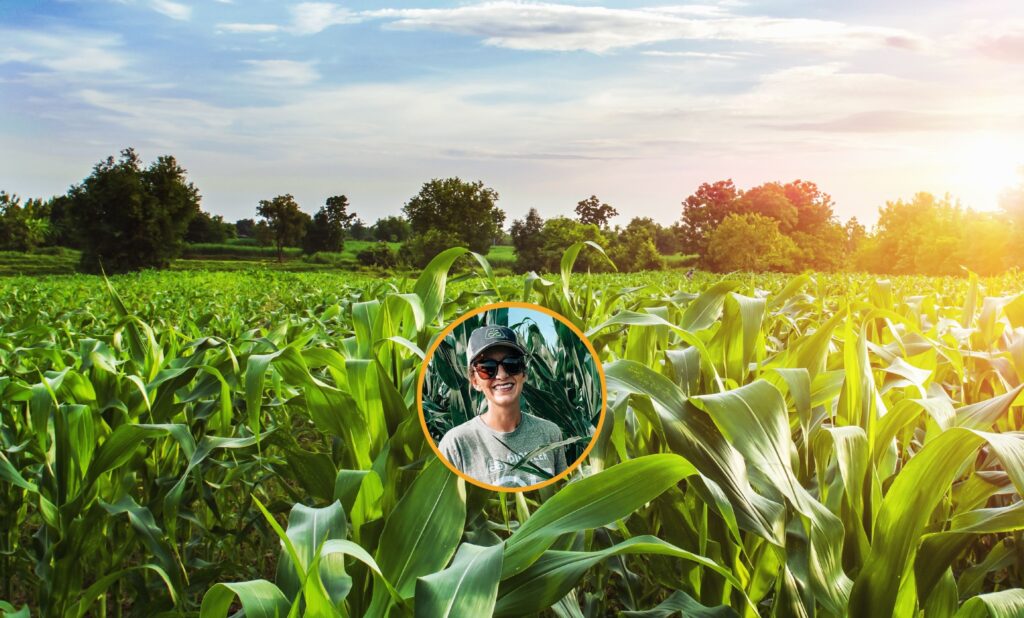
Kylie Epperson and her husband Jordan are young farmers in northeast Missouri in the United States. Their diversified family farm is the center of their lives, and every day they strive to produce food and animal feed while preserving the beauty and fertility of their farmland.

CropLife International asked Kylie some key questions about what it’s like to be a young farmer, what kind of everyday challenges she faces and how she champions sustainability on the farm.
As a young person, what made you want to become a farmer? 

Kylie Epperson: I married into the farm, but there is something to be said for choosing to marry a farmer AND wanting to return to work on the farm alongside my husband. Agriculture is a way of life like no other. Farmers are true entrepreneurs, mechanics, engineers, marketing experts and so much more. We grow food, especially here in the United States, to feed millions of people around the world. I love being able to run my own business and raise our family in a rural, farm setting.

“Farmers are true entrepreneurs, mechanics, engineers, marketing experts, and so much more.”

What are the main crops you grow on your farm and why?

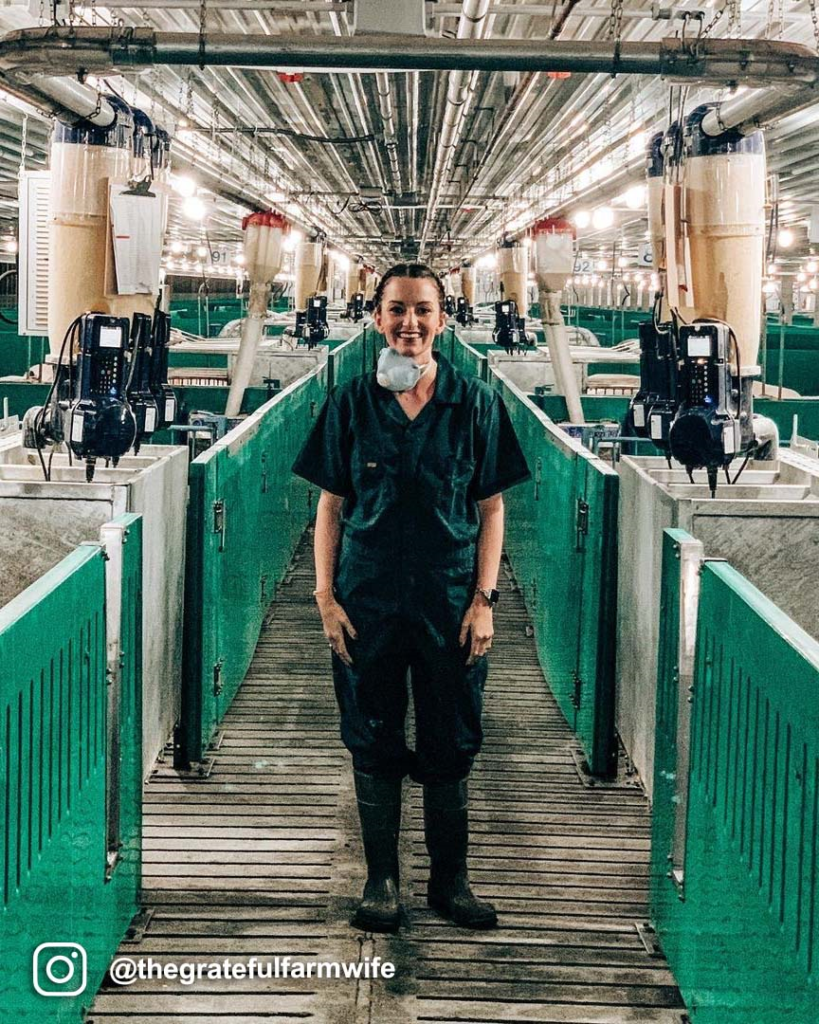
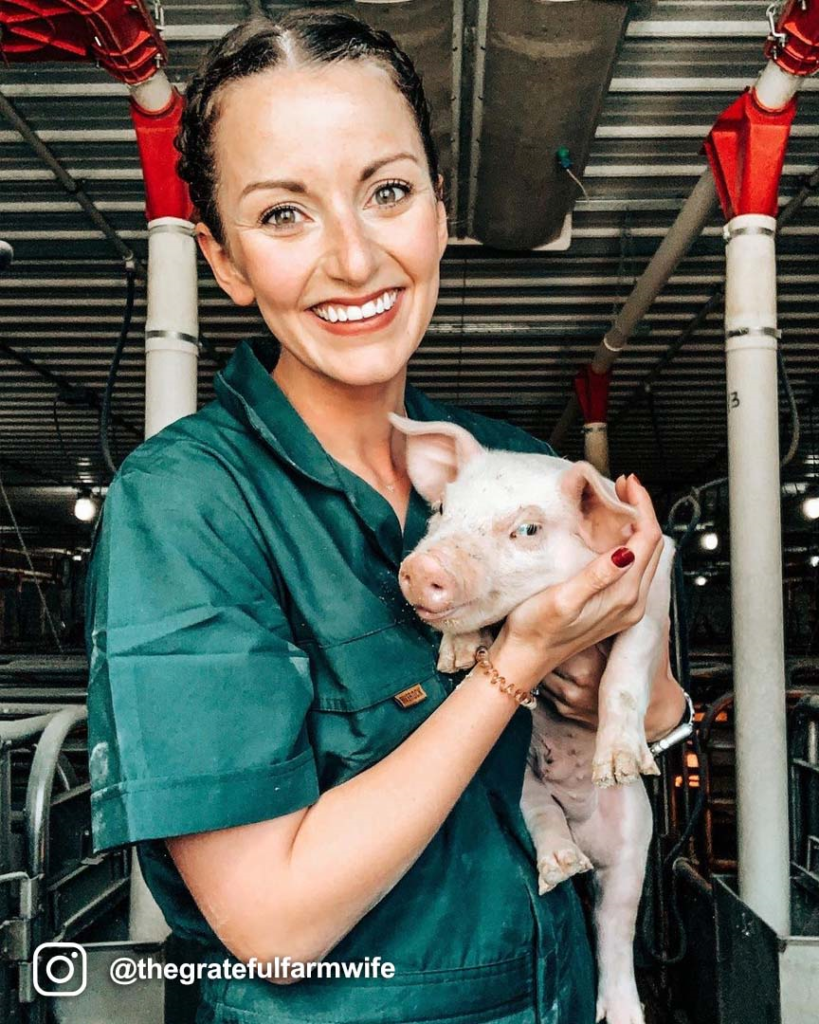
KE: We grow yellow corn and soybeans on our farm in Missouri. We also raise hogs. Most of the crops we grow go into feed for hogs and cattle. Raising hogs helps us to diversify our farming operation and better manage risk in both commodities.

What does a normal day look like on your farm? What is your routine?

KE: As a 50/50 partner with my husband on our farm, my main role is working in our farm office. A typical day for me is waking, rounding the kids up and driving about 10 minutes to our home farm. After arriving at the office, I look over any urgent matters on my desk, sort and pay bills, review finances and any other accounting matters at hand. I also manage grain inventory and sales. Between bills, grain inventory and tending to three children at work, that makes up most of my day.

What are the major challenges you face on your farm?

KE: One of the major challenges we have on our farm, and really as an industrywide problem, is labor. It is incredibly hard to find a qualified individual who loves the land and animals just as much as you do and takes care of them to the level that you see fit. More and more people are leaving rural America, and that is a threat today and will continue to be a challenge in the future.
“There is not one person who cares more about the quality of our soil, water and air than a farmer.”

How do climate change and biodiversity issues affect your farm?

KE: As a row crop and hog farmer, we take all measures available to us to ensure we are doing right by our environment, by our land and by our community. There is not one person who cares more about the quality of our soil, water and air than a farmer, and we put practices in place to ensure we are doing our part to take care of the environment.

What would you say to young people who want to know about farming and plant science?

KE: Agriculture is one of the most rewarding environments to make yourself a part of. The community, the ability to work with your hands and with the land every day, the opportunity to raise a family on a farm, teaching your kids life lessons from a young age, gosh, so many amazing things about farming.

However, farming isn’t for the faint of heart. Farmers rely heavily on matters outside of our control, like commodity prices, land availability, weather and more, and often those uncontrollable matters throw curveball after curveball. Farmers are resilient, though, and you quickly learn the love for the land and the faith for the future is much greater in agriculture than the fear of the unknown. Agriculture is a community and profession that once you start, you’ll never want to leave.

Kylie takes a special interest in telling her story through her InstagramFacebook and blog, where she charts the ups and downs of modern farming from the perspective of a young family. This is in part due to increased interest in farming from consumers who have increasing concerns about sustainability and the supply chain, or are just taking a greater interest in where their food comes from.

Kylie is just one of many young farmers and advocates throughout the world working to make our planet a greener and more sustainable one. Check out what other youth champions have to say about how we can better transform our food systems.

ELEVEN STRATEGIES FOR IMPROVING FOOD SYSTEMS

By: CropLife International

Addressing the many threats to food security was a key priority at the United Nations Food Systems Pre-Summit earlier this year. West Asia regional director for Youth4Nature Rayan Kassem offered closing remarks sharing his vision on how food systems could be meaningfully transformed. In celebration of International Youth Day and as part of our responsibility to include and uplift youth perspectives, we reached out to Kassem to learn more about his perspective on how key stakeholders can collaborate to help deliver more sustainable food systems for the world.

Kassem outlined 11 key action points that he believes will be vital for creating equitable and sustainable food systems.

  1. We must consider the indirect causes of food system challenges, not just direct impacts like hunger, poverty and climate change. Looking at factors like war, smuggling, food prices, violence and food import dependence is key.
  2. We need to create an accountability scheme for decision-makers. Our generation is making history as the first generation to actively care about the future of the planet. We must continue to call for accountability every time a shock, stress or challenge happens within food systems.
  3. We should address trade dependencies and politics within food systems. Some countries might have disputes and create artificial trade barriers. We need to protect food systems from such trade disruptions.
  4. We need to move beyond our unsustainable view that we can produce as much as we want, whenever and wherever we want. We need to create a new system where resources are looked at in a finite way.
  5. We need to look at subsidies. We should stop subsidizing agricultural products that are harmful for our health and for the health of the climate and biodiversity. Instead, we should shift those subsidies to local farmers and agricultural products that are good for our health and our planet. We should subsidize fruits and vegetables, whole grains, legumes, nuts and seeds, and whole plant-based food products as well animal protein that is produced sustainably be it fish or land-based animals
  6. We need to take care of farmers’ livelihoods. Farmers are the basis of our society as the producers of our food. Yet, they aren’t often able to have equitable livelihoods.
  7. We need to switch from monocultural tree planting to nature-positive, sustainable food production so that agriculture doesn’t hurt the health of our environment or impact the climate.
  8. We need to prioritize food justice and sovereignty, including regional culture and the heritage of food production and consumption. How people eat and how they produce food is very specific to their cultures and hundreds of years of interaction with nature. The development of food production and consumption patterns are often local, so food systems should not be approached from a global perspective with a standard diet and way of producing food.
  9. We must use resources sustainably. That means growing crops best suited to each region based on their natural resources.
  10. Developing countries must have access to agricultural technologies. The use of these technologies helps farmers produce food more efficiently. There is still a very large gap between the Northern and Southern Hemisphere in access to technologies.
  11. Lastly, we need a circular economy. Technology has advanced enough to create products from food waste, and we need to incorporate these products into local, regional and global food production.

Kassem believes that if we address these 11 strategies, we will be able to improve global food systems and end world hunger. He added that we already have the policy systems in place, through both the United Nations and member states, to address these points — we just need action. Youth advocates are key to encouraging decision-makers to create lasting, long-term policies that leads to more equitable, sustainable and accessible food systems.

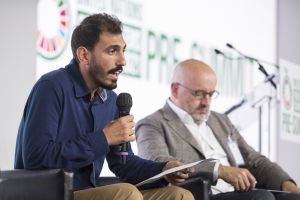
28 July 2021, Rome, Italy – Rayan Kassem, West Asia Regional Directorfor Youth4nature. Closing Plenary of the Pre-Summit Systems, Pre-Summit of the United Nations Food System Summit 2021. FAO headquarters (Plenary hall)
©UN Photo/ Giulio Napolitano

As the global federation representing the plant science industry, CropLife International is committed to advancing innovation in agriculture for a sustainable future, and to playing a lead role in enabling sustainable food systems. We are proud to feature the voices of stakeholders like Rayan Kassem that are shaping global negotiations at the UN Food Systems Summit.

To hear food systems perspectives directly from youth leaders, check out our most recent map: How Youth Envision Global Food Systems in 50 Years.